
Monday–Friday: 10AM–5PM
245 Lombard Street, Thousand Oaks

Recent groundbreaking research has uncovered compelling evidence linking gum disease—specifically chronic periodontitis caused by the bacteria Porphyromonas gingivalis—with Alzheimer’s disease. This discovery highlights dental health as an essential component of brain health, suggesting periodontal disease might influence Alzheimer’s development and progression.
Porphyromonas gingivalis, a key bacterium causing gum disease, can enter the bloodstream through daily activities like chewing, brushing, or even routine dental procedures. Once in the bloodstream, these bacteria may reach the brain, releasing harmful enzymes called gingipains. Gingipains have been identified in the brain tissue of Alzheimer’s patients, correlating directly with hallmark features of Alzheimer’s, such as tau tangles, amyloid-beta plaques, and ubiquitin accumulation—all indicators of neurodegeneration.
Recent studies confirm P. gingivalis and its toxic enzymes, gingipains, are found at higher levels in Alzheimer’s patients compared to healthy controls. Animal experiments demonstrated that oral infection with this bacterium leads to brain colonization, increases amyloid-beta production, and triggers brain inflammation and neuron damage in regions critical for memory.
Moreover, gingipains can damage tau proteins essential for normal brain function, potentially initiating Alzheimer’s pathology. These findings strengthen the theory that periodontal bacteria may play a direct role in triggering or accelerating Alzheimer’s disease.
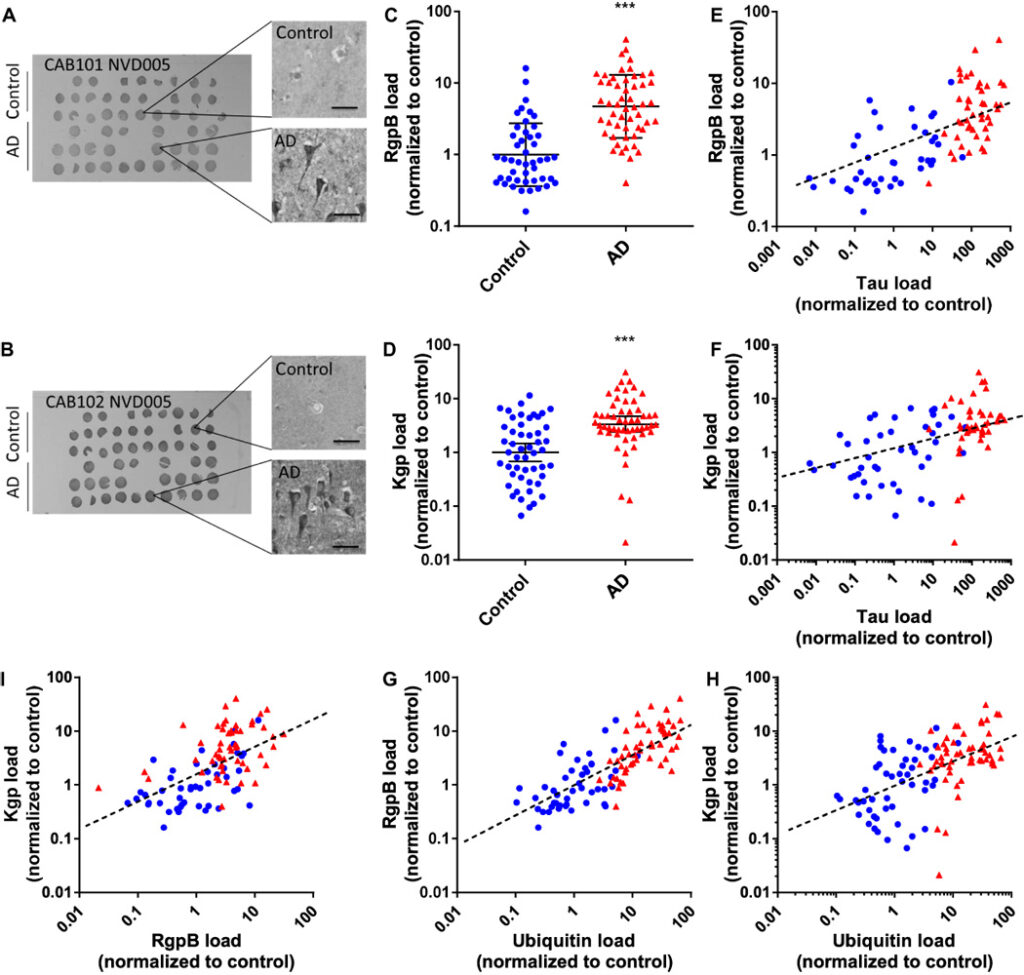
Fig. 1 Gingipain IR in brain correlates with AD diagnosis and pathology
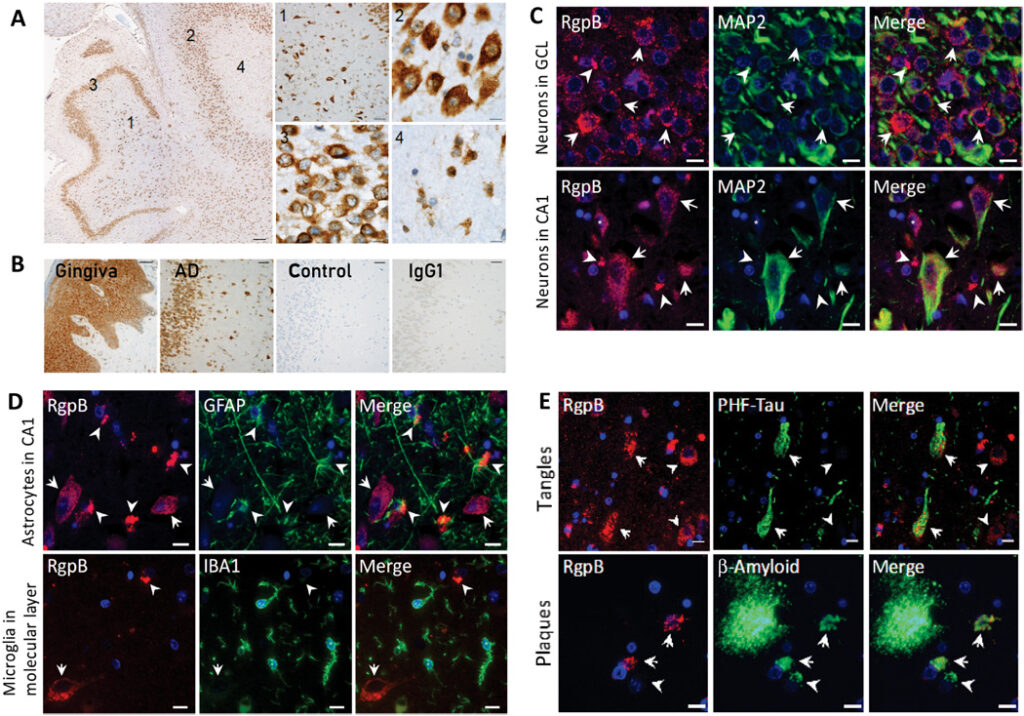
Fig. 2 RgpB colocalizes with neurons and pathology in AD hippocampus.
Encouragingly, researchers have developed small-molecule inhibitors specifically targeting gingipains. These inhibitors significantly reduced the bacteria's presence in the brain, blocked toxic effects on neurons, prevented tau and amyloid-beta buildup, and decreased inflammation in experimental models. Such treatments are now being investigated in clinical trials as potential ways to manage or even prevent Alzheimer’s by targeting periodontal infection directly.
These discoveries underline the importance of robust oral hygiene and proactive periodontal care—not just to preserve teeth but potentially to safeguard memory and cognitive function. Regular dental visits, early gum disease treatment, and rigorous oral hygiene could become crucial strategies to reduce Alzheimer’s risk, especially for older adults.
The emerging link between gum disease bacteria and Alzheimer’s offers a powerful incentive to prioritize oral health: caring for your teeth and gums today may be key to protecting your cognitive abilities tomorrow.
Source: Science.org
 Lombard Dental Studio is a full-service dentistry offering a comprehensive range of restorative & cosmetic services. Led by trusted Thousand Oaks dentist Vadim Lebovich DDS, our office is here to take care of your smile.Book Appointment805-495-2431


Enamel is the hardest substance your body makes. It's also one of the few tissues your body completely gives up…
Read MoreBleeding Gums: Causes, Symptoms, Treatments, and Prevention Have you ever spotted pink in the sink after brushing, or noticed red…
Read MoreHealthy gums are the foundation of a great smile. But when plaque isn’t removed properly, it can harden into tartar…
Read MoreNew to Lombard Dental Studio? Start with a complete exam, digital X-rays, and an oral cancer screening for $59 - the full picture of your oral health, no insurance needed. The easiest way to meet the team and plan your care.