
Monday–Friday: 10AM–5PM
245 Lombard Street, Thousand Oaks
If you live with diabetes, your oral health deserves extra attention. Diabetes can raise the risk of gum disease, dry mouth, cavities, thrush, taste changes, and slower healing in the mouth. Just as importantly, gum disease can make blood sugar harder to manage, creating a cycle that affects both your smile and your overall health.
At Lombard Dental Studio in Thousand Oaks, Dr. Vadim Lebovich, DDS believes great dentistry starts with understanding the whole patient. If you have diabetes, regular dental care is not just about keeping teeth clean. It is part of protecting your long-term health with precision, prevention, and personal attention.
High blood sugar can affect the mouth in several ways. When glucose levels are elevated, there may also be more sugar in saliva. That can feed harmful bacteria in plaque, increasing the risk of cavities and gum disease. Diabetes can also reduce saliva flow, which may leave the mouth feeling dry and less protected against decay and infection.
People with diabetes may be more likely to experience:
These are all recognized oral-health concerns associated with diabetes.

Gum disease is one of the most common oral health concerns in people with diabetes. It can become more severe, take longer to heal, and increase the risk of tooth loss if left untreated. At the same time, inflammation from gum disease may make diabetes harder to control. That two-way relationship is why periodontal health matters so much for diabetic patients.
This is one area where the original draft was directionally right but overly repetitive. It emphasized the diabetes–gum disease connection throughout the piece without adding much new value. A stronger article explains that relationship once, clearly, then moves into symptoms, prevention, and practical next steps.
If you have diabetes, do not ignore changes in your mouth. Early signs can be subtle, but catching them sooner often makes care simpler and more comfortable.
Watch for:
The CDC and ADA both stress that bleeding gums, dry mouth, and signs of infection deserve prompt attention, especially for patients with diabetes.
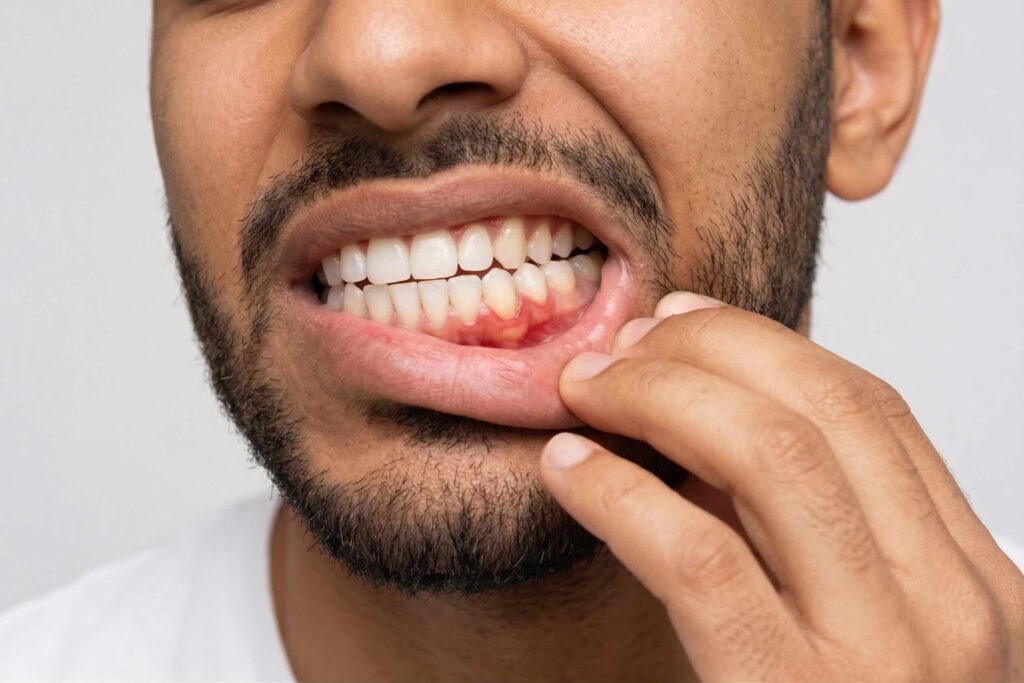
Dry mouth may sound minor, but it can have a real impact on comfort and oral health. Saliva helps wash away food particles, buffer acids, and protect teeth and soft tissues. When saliva flow drops, the risk of cavities, irritation, and infection rises. Uncontrolled diabetes is one recognized cause of dry mouth.
If your mouth often feels dry, sticky, or uncomfortable, it is worth mentioning during your dental visit.
Diabetes does not create cavities on its own, but it can raise the risk. Higher glucose levels in saliva can support the growth of cavity-causing bacteria, and dry mouth makes it easier for acids and plaque to stay on the teeth. That combination can increase the chances of enamel damage and decay over time.
People with diabetes can also be more vulnerable to oral thrush, a fungal infection that may appear as white or red patches in the mouth. Thrush is more likely when blood sugar is not well controlled or the oral environment is already imbalanced.
If you notice soreness, unusual patches, or burning in the mouth, it is best to have it evaluated rather than waiting for it to improve on its own.
The most effective approach is consistent home care plus regular dental monitoring.
Better glucose control can reduce the risk of gum disease progression, dry mouth, and other oral complications.
The ADA recommends brushing twice daily. This helps reduce plaque and lowers the risk of both cavities and gum irritation.
Floss or another interdental cleaner once a day. Cleaning between teeth is especially important because plaque often accumulates where a toothbrush cannot reach.
Water can help relieve dry mouth and support a healthier oral environment, especially when saliva flow is reduced.
Tell your dentist that you have diabetes, what medications you take, and whether anything has changed in your health. NIDDK specifically recommends keeping your dentist updated.
Regular exams and cleanings help catch gum disease and other problems earlier, when they are easier to manage. CDC and NIDDK both emphasize the importance of ongoing dental care for people with diabetes.
Smoking increases the risk of gum disease and healing problems, making oral complications harder to manage. This is especially important for patients who already face elevated periodontal risk.
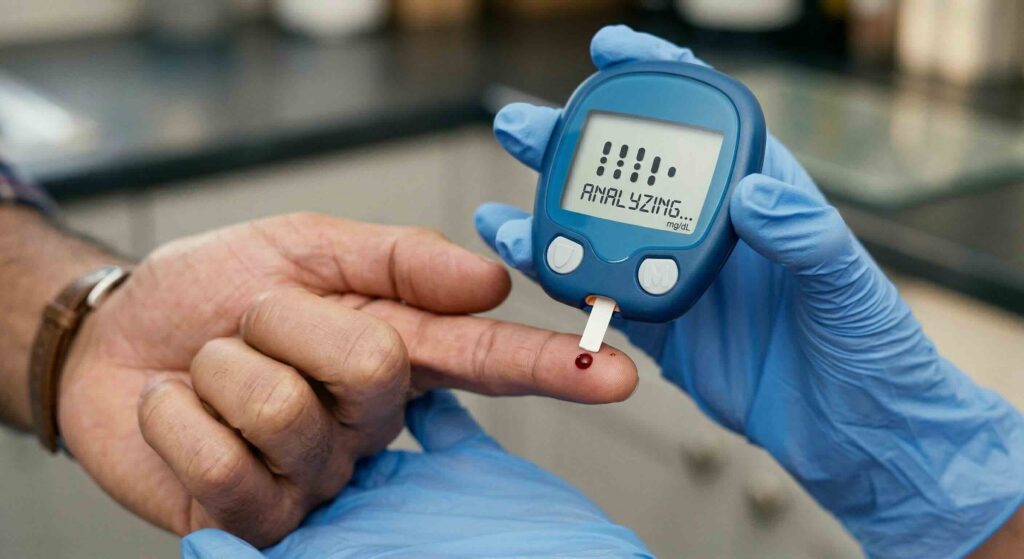
Call your dentist if you have:
If you have diabetes, even small oral-health changes are worth taking seriously because they can progress more quickly or heal more slowly.
Yes. People with diabetes are at higher risk for gum disease, and gum disease can also make diabetes harder to manage.
Yes. Diabetes and some diabetes medications can reduce saliva flow, which can lead to dry mouth and raise the risk of other oral problems.
They can be. Higher glucose levels in saliva and reduced saliva flow can create a better environment for decay-causing bacteria.
Absolutely. Your dentist should know about your diagnosis, medications, and any changes in your health so your dental care can be tailored appropriately.
Treating gum disease is important for oral health and may also support better diabetes management by reducing chronic inflammation.
At Lombard Dental Studio, we understand that oral health is closely connected to overall wellness. If you have diabetes, our goal is to help you protect your gums, preserve your teeth, and feel confident about your care every step of the way.
Schedule your personalized consultation with Dr. Vadim Lebovich, DDS and discover advanced dentistry with a human touch in Thousand Oaks.
 Lombard Dental Studio is a full-service dentistry offering a comprehensive range of restorative & cosmetic services. Led by trusted Thousand Oaks dentist Vadim Lebovich DDS, our office is here to take care of your smile.Book Appointment805-495-2431

What Thousand Oaks Patients Should Know About Fizzy Drinks and Enamel Health Sparkling water has become a favorite for people…
Read MoreThe foods that children consume significantly influence their long-term dental well-being. While some foods deliver essential nutrients conducive to healthy…
Read MoreIn our mouths, we have numerous forms of bacteria. Some are helpful and some are harmful. Bacteria in the mouth…
Read MoreNew to Lombard Dental Studio? Start with a complete exam, digital X-rays, and an oral cancer screening for $59 - the full picture of your oral health, no insurance needed. The easiest way to meet the team and plan your care.