
Monday–Friday: 10AM–5PM
245 Lombard Street, Thousand Oaks
You brush twice a day, floss regularly, and never miss your dental checkups. Yet one day you suddenly feel it - a sharp twinge or persistent ache in your tooth.
Toothaches can happen even when you maintain excellent oral hygiene. While cavities are one of the most common causes of dental pain, they are far from the only reason teeth may start hurting.
At Lombard Dental Studio in Thousand Oaks, patients often ask:
The answer can involve several different conditions affecting your teeth, gums, jaw, or even nearby sinus cavities. Understanding the possible causes can help you recognize when it’s time to seek professional care.

Tooth pain typically occurs when the inner nerve of a tooth becomes irritated or inflamed. This can happen when the protective layers of enamel and dentin are compromised or when surrounding tissues become inflamed.
Several dental and medical issues can trigger tooth pain, including:
Each cause produces slightly different symptoms, which can help your dentist determine the underlying issue.
Cavities remain the leading cause of toothaches.
Tooth decay occurs when bacteria in the mouth produce acids that gradually break down tooth enamel. As the cavity progresses deeper into the tooth, it can reach the dentin and eventually the inner nerve.
Common symptoms of cavities include:
Early cavities can often be treated quickly with a simple dental filling, restoring both comfort and function.
Sometimes tooth pain appears as sharp discomfort when drinking cold water or eating hot foods.
This often indicates tooth sensitivity rather than a cavity.
Sensitivity occurs when the dentin layer beneath enamel becomes exposed, allowing temperature and pressure to reach the tooth nerve more easily.
Common causes include:
Dentists can often help manage sensitivity with specialized treatments, fluoride therapies, or recommendations for desensitizing toothpaste.
A sharp pain when biting or chewing may indicate a cracked tooth.
Cracks may occur from:
Cracked teeth are sometimes difficult to detect without professional imaging or magnification. Left untreated, they may allow bacteria to reach the inner pulp of the tooth, leading to infection.
Depending on the severity, treatment may involve:
A constant, throbbing toothache may signal a serious infection known as a dental abscess.
An abscess occurs when bacteria infect the inner pulp of a tooth and form a pocket of pus near the root.
Symptoms may include:
Dental infections should be treated as soon as possible to prevent the infection from spreading to surrounding tissues.
Treatment often involves root canal therapy or other restorative procedures to remove the infection and preserve the tooth.
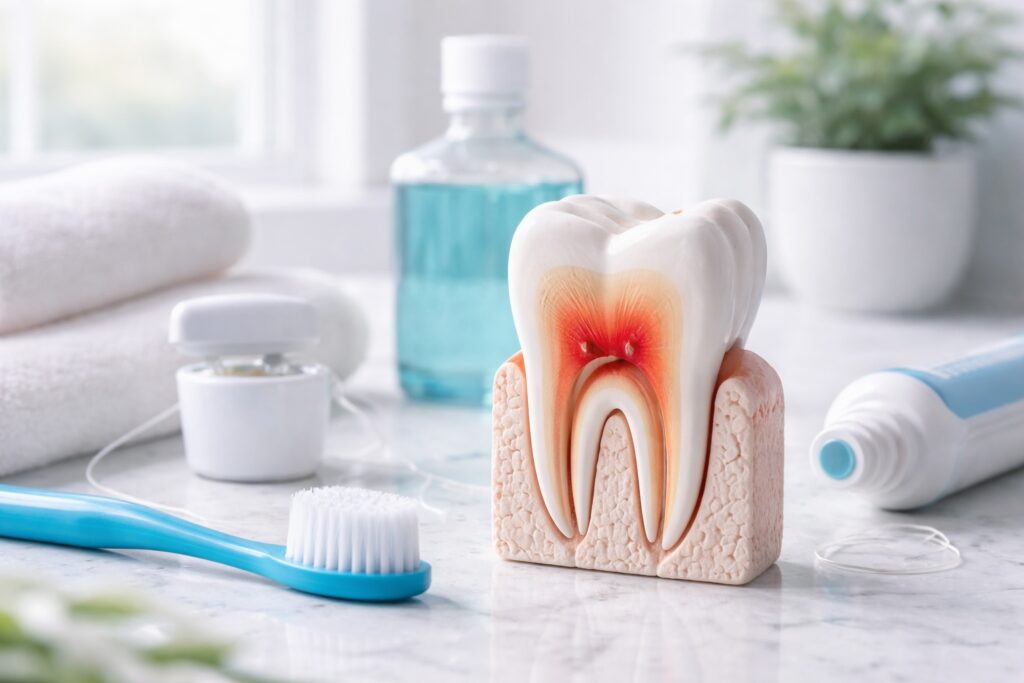
Gum health plays a critical role in tooth comfort.
When gums recede or become inflamed due to periodontal disease, the roots of the teeth can become exposed. Since roots lack the protective enamel layer found on the crown of the tooth, they are far more sensitive to temperature and pressure.
Signs of gum disease include:
Professional dental care combined with improved oral hygiene habits can often restore gum health and reduce sensitivity.

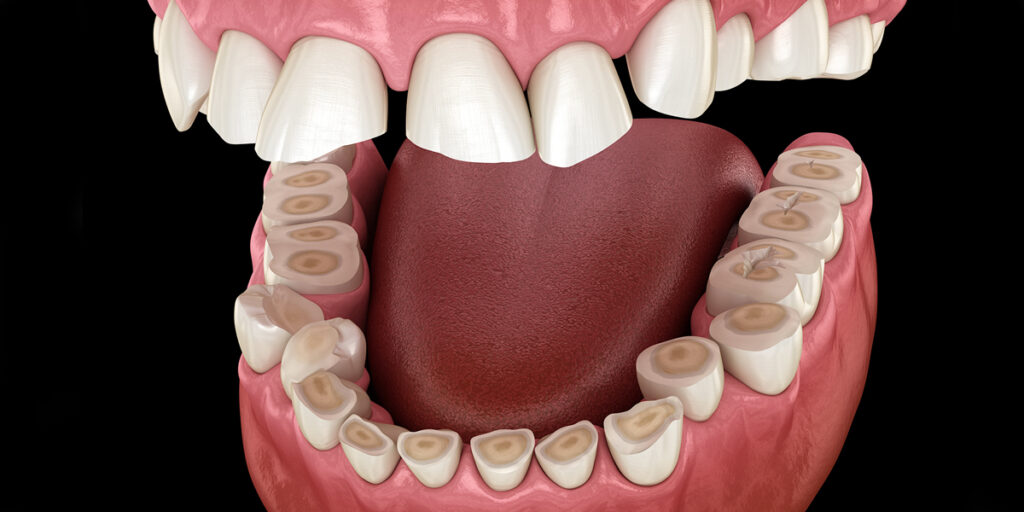
Many people grind or clench their teeth during sleep without realizing it.
Over time, bruxism can cause:
Dentists often recommend custom night guards to protect teeth from the pressure caused by grinding.
Interestingly, not all toothaches originate in the teeth.
Upper molars sit very close to the sinus cavities. When sinuses become inflamed during an infection, pressure can radiate into the upper teeth.
Symptoms that suggest a sinus-related toothache include:
If these symptoms occur together, a sinus infection may be the underlying cause.
Sometimes the discomfort patients describe as a toothache actually comes from the temporomandibular joint (TMJ) — the hinge connecting your jaw to your skull.
TMJ disorders may cause:
These conditions may develop from:
Dentists can evaluate TMJ symptoms and recommend treatments to relieve tension and restore comfort.
If wisdom teeth are still present, they can sometimes become impacted, meaning they lack space to emerge properly.
Impacted wisdom teeth may cause:
Removal of problematic wisdom teeth can often resolve these symptoms.
Some mild irritation may resolve within a day or two.
Temporary tooth discomfort may be caused by:
However, tooth pain that lasts longer than 1-2 days should be evaluated by a dentist.
Persistent pain may indicate an underlying dental issue that requires professional care.
While waiting for a dental appointment, several remedies may help reduce discomfort temporarily.
Warm salt water helps reduce bacteria and inflammation.
Applying a cold compress to the outside of the jaw may help reduce swelling.
Pain relievers may provide short-term relief.
Clove oil contains natural compounds that may temporarily numb tooth pain.
You should contact a dentist if you experience:
Early diagnosis allows dentists to treat the problem before it becomes more serious.
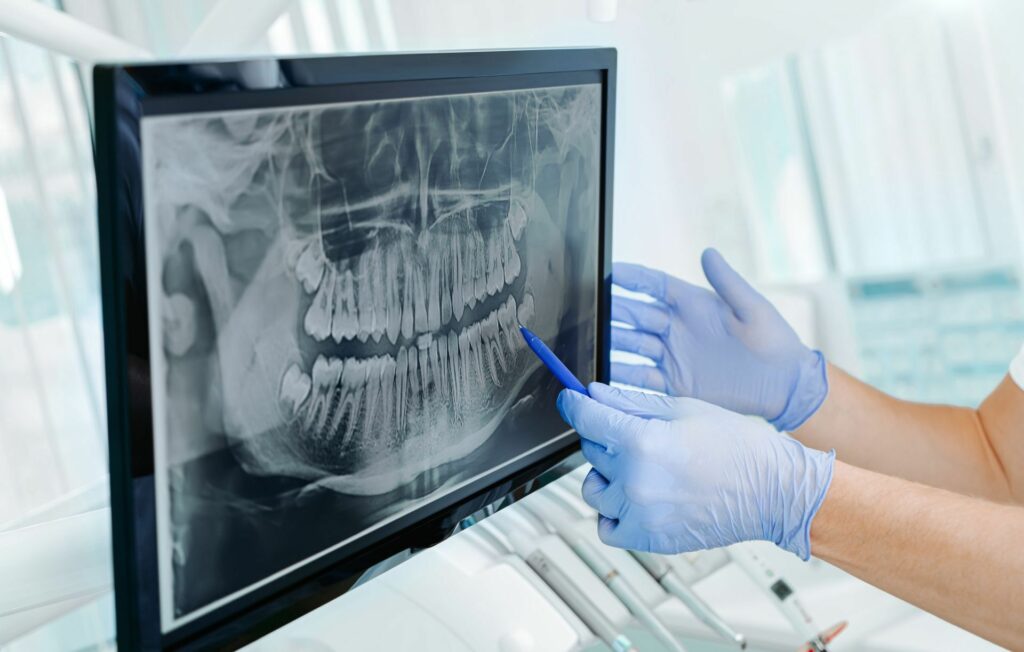
Toothaches rarely resolve completely without addressing the underlying cause. A professional evaluation ensures that small issues are treated before they become larger problems.
At Lombard Dental Studio, Dr. Vadim Lebovich and his team combine modern technology with personalized attention to diagnose and relieve dental discomfort quickly and comfortably.
Whether your symptoms are caused by sensitivity, decay, infection, or jaw tension, we are here to help restore comfort and confidence to your smile.
Book your visit today and experience advanced dentistry with a human touch.

The most common cause of tooth pain is tooth decay (cavities). Cavities form when bacteria break down enamel and expose the inner layers of the tooth. As decay progresses deeper into the tooth, it can irritate the nerve and cause pain or sensitivity.
Yes. Tooth pain can occur even when there is no cavity. Other possible causes include tooth sensitivity, teeth grinding (bruxism), cracked teeth, gum recession, sinus infections, or TMJ disorders. A dental exam can help determine the exact cause.
A toothache may require immediate dental care if you experience:
These symptoms may indicate infection or damage that requires professional treatment.
Yes. Sinus infections can sometimes create pressure that affects the upper back teeth, because their roots sit close to the sinus cavities. If tooth pain occurs alongside congestion, facial pressure, or headaches, the cause may be sinus-related rather than dental.
Pain when biting down may indicate a cracked tooth, a loose filling, or inflammation around the tooth root. Even small cracks that are difficult to see can cause sharp pain when pressure is applied.
Minor irritation may resolve within one or two days. However, if tooth pain lasts longer, becomes more severe, or keeps returning, it’s important to schedule a dental visit to identify the cause.
While waiting for a dental appointment, you may find temporary relief with:
These methods can reduce discomfort but do not treat the underlying dental issue.
You should schedule a dental visit if tooth pain:
Early evaluation allows dentists to treat the problem before it becomes more serious.
Yes. Grinding or clenching your teeth—especially during sleep—can put significant pressure on your teeth and jaw. Over time, this may lead to tooth sensitivity, jaw soreness, headaches, and worn enamel.
Yes. Gum disease can cause inflammation and gum recession, exposing the tooth roots and leading to sensitivity or dull aching pain. Early treatment can help restore gum health and protect your teeth.
 Lombard Dental Studio is a full-service dentistry offering a comprehensive range of restorative & cosmetic services. Led by trusted Thousand Oaks dentist Vadim Lebovich DDS, our office is here to take care of your smile.Book Appointment805-495-2431

Caries, commonly known as tooth decay, is a serious dental condition that many people misunderstand. Often, it begins with a…
Read MoreAre you wondering how to keep your smile bright and cavity-free? While daily brushing and flossing are essential, adding fluoride…
Read MoreThe modern era has seen a significant shift in dental health, with more adults than ever likely to retain their…
Read MoreNew to Lombard Dental Studio? Start with a complete exam, digital X-rays, and an oral cancer screening for $59 - the full picture of your oral health, no insurance needed. The easiest way to meet the team and plan your care.